Skip to content
ChlorineDioxideGenerators.comGet a Quote

Chlorine Dioxide Generators for Every Water and Process System

Made On Site. Dosed Precisely. Run Safely.

Chlorine dioxide generators for municipal water plants, cooling towers, food and beverage plants, pulp mills and oilfield water. Chlorine dioxide is made where it is used, so the generator, its chemistry and its controls decide how well the treatment works.

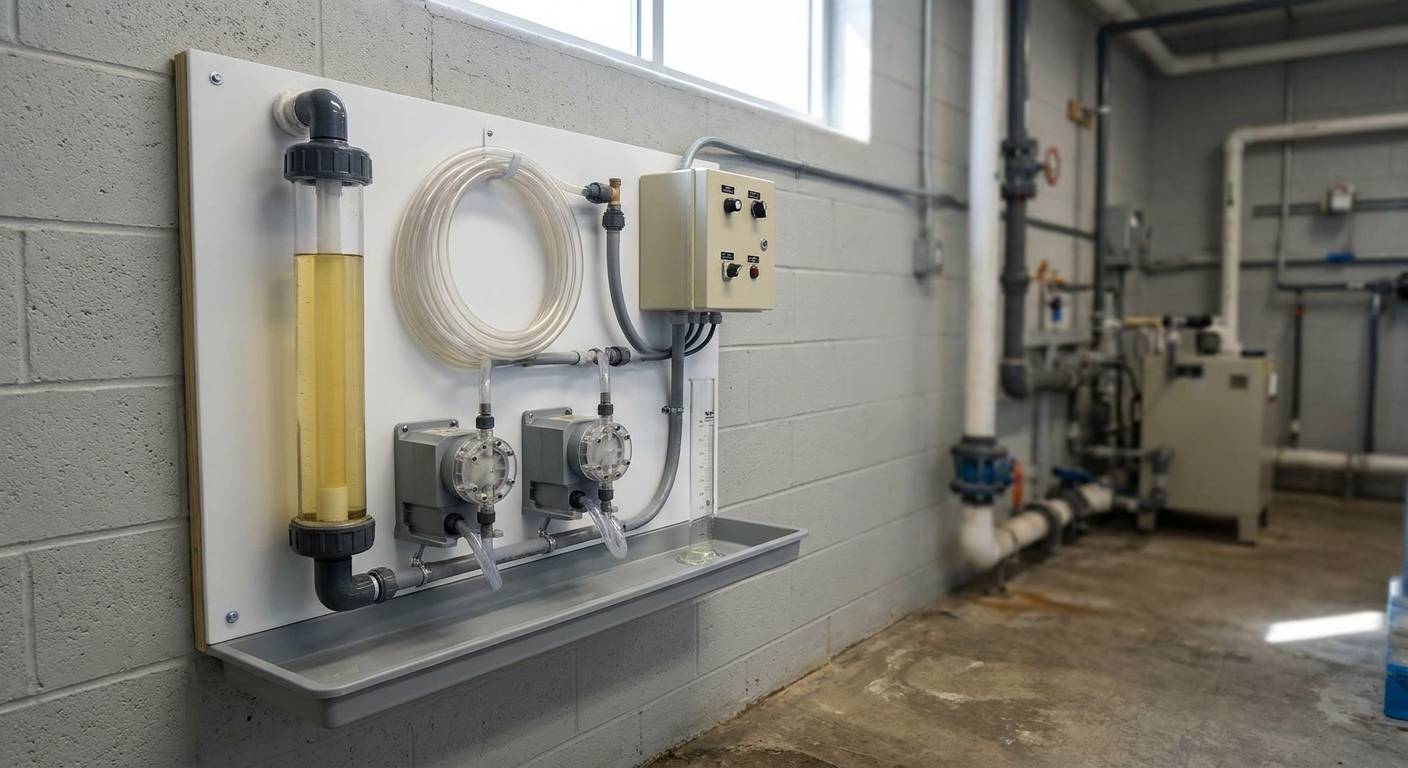
A wall-mounted chlorine dioxide generator skid with a clear reaction column holding yellow-green solution, two metering pumps, tubing and a control box in a water treatment plant chemical room.
A wall-mounted generator in a plant chemical room. The yellow-green liquid in the clear column is the chlorine dioxide solution.

How a chlorine dioxide generator works

Chlorine dioxide is not shipped as a compressed gas. It is potentially explosively unstable above 10 percent by volume in air, so it is made on site, at low concentration, and used straight away as a dilute solution in water.

A generator is the machine that does that. It meters precursor chemicals into a reactor, makes the chlorine dioxide, dilutes it and hands it to the water. What changes from one generator to the next is the chemistry, the controls and the safety systems around it.

  1. Precursors

    Sodium chlorite solution and an acid, chlorine or hypochlorite, held in separate tanks with their own containment.

  2. Metering

    Pumps or eductors feed each chemical to the reactor in a set ratio. The ratio decides how much of the chlorite becomes chlorine dioxide.

  3. Reaction

    The chemicals meet in a reactor column. Chlorine dioxide forms in the column as a solution.

  4. Dilution

    Dilution water carries the product out as a dilute solution, ready to dose.

  5. Injection

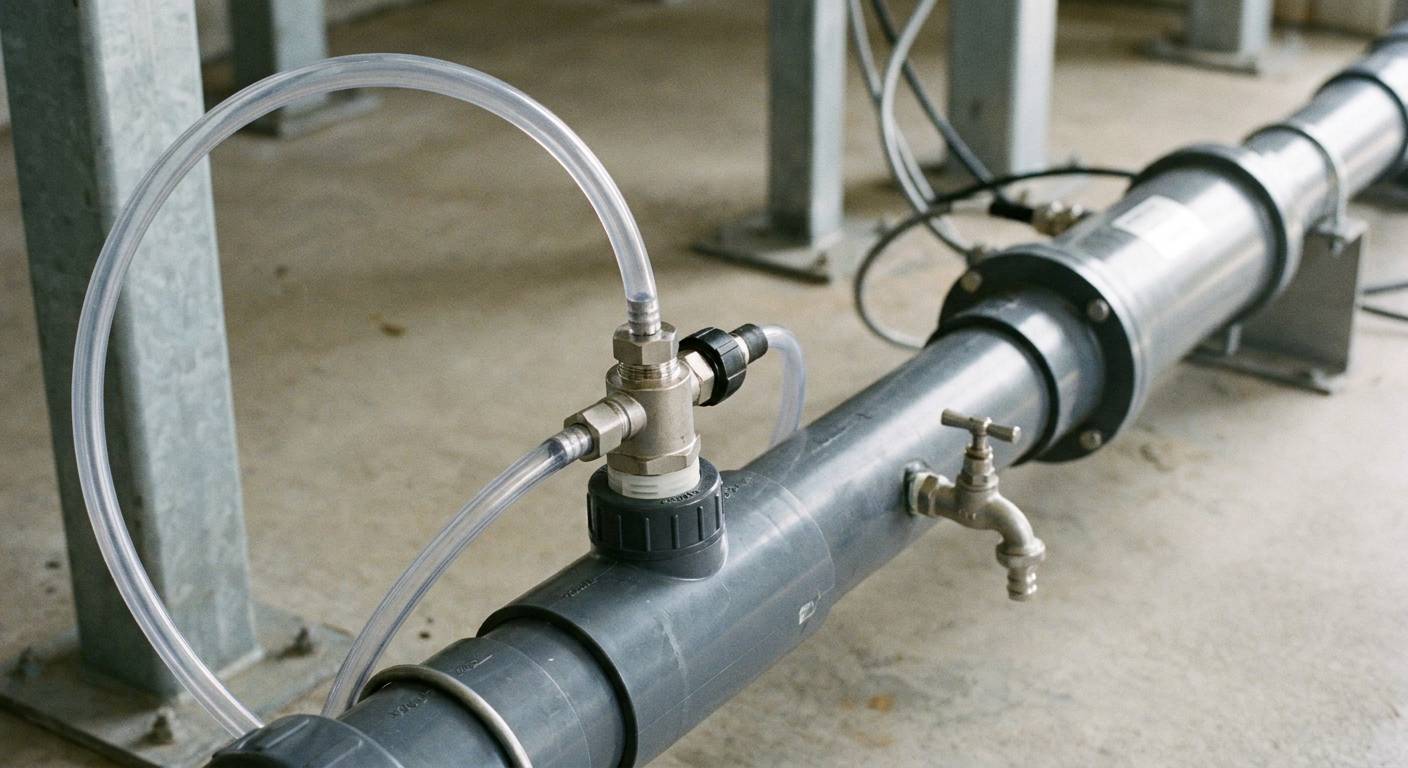
    The solution goes into the water main, tower basin, wash line or process tank through an injection fitting, with a sample tap downstream.

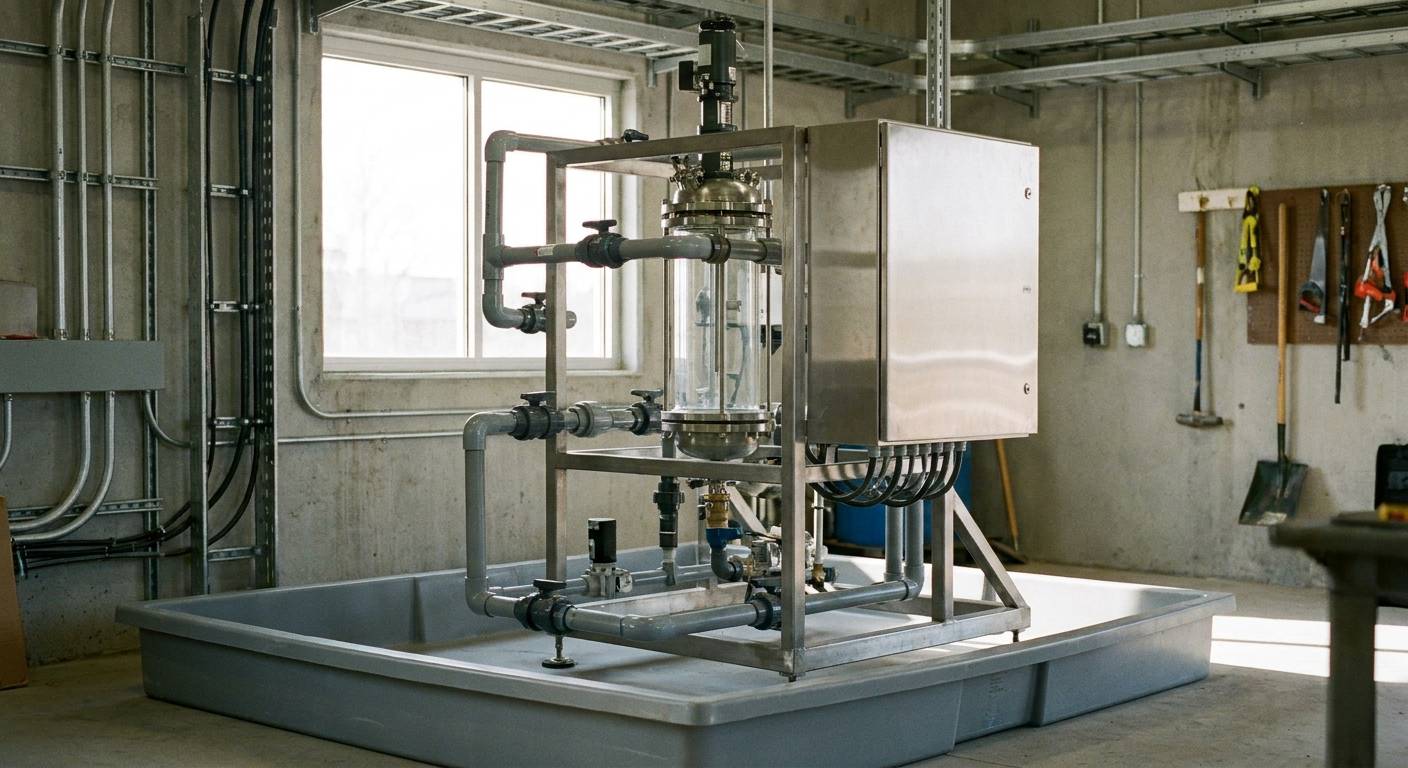
A floor-standing generator skid with a vertical reactor tube, grey PVC pipework, a stainless control cabinet and a drip tray in a plant room.
A floor-standing skid: reactor tube, PVC pipework and a drip tray under the whole assembly.

Four kinds of generator, four sets of trade-offs

The chemistry decides what you store, what you feed and what can go wrong. Pick the generator that fits the chemicals your site can handle.

Acid-chlorite generators
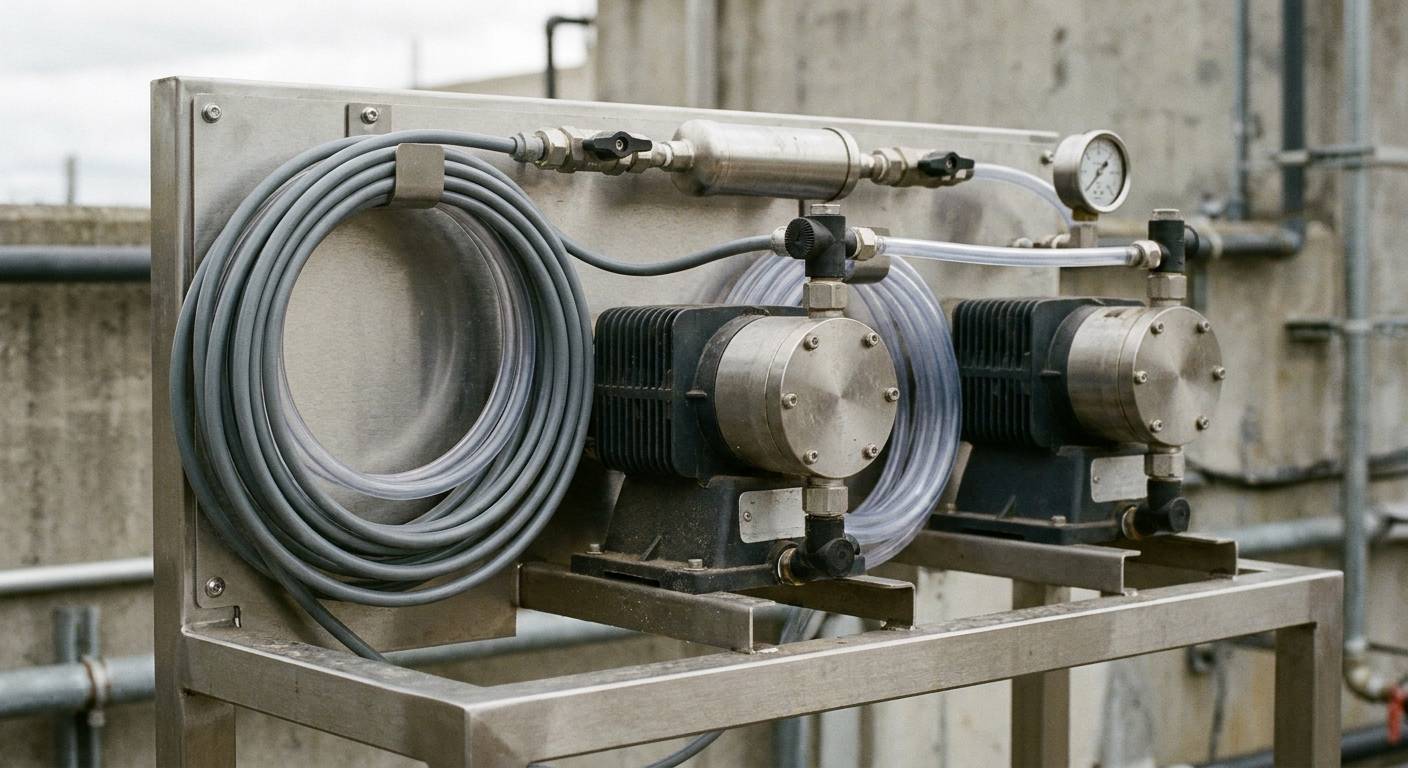
Two diaphragm metering pumps on a stainless frame with grey and clear PVC tubing.

Sodium chlorite solution and an acid, usually hydrochloric, are metered into a reactor and mixed with dilution water. It needs two chemicals and two feed pumps, and no gas cylinders.

  • A common fit where the plant does not use chlorine gas.
  • Works with commercially available chlorite and acid solutions, so supply is simple to arrange.
  • Yield depends on holding the feed ratio, so metering accuracy and calibration matter.
Chlorine-chlorite generators

Chlorine, as gas or as chlorine water, reacts with sodium chlorite in the reactor. Treatment plants that already feed chlorine often use this route because the chlorine system is already on site.

  • Suited to plants that already have chlorine feed and the safety systems that go with it.
  • The EPA's guidance manual sets a typical specified yield above 95 percent and excess chlorine below 2 percent by weight in the generator output.
  • Chlorine handling rules and training come with it.

Three-chemical generators

Sodium hypochlorite and hydrochloric acid first react to make chlorine in the generator, and that chlorine then reacts with the sodium chlorite. It avoids chlorine gas cylinders while using the chlorine-chlorite chemistry.

  • Needs three feed lines in balance. Hypochlorite loses strength in storage, which makes the balance harder to hold.
  • Sodium chlorite has to be stored apart from the hypochlorite and the acid.
  • Common where bleach is already on site and gas cylinders are not wanted.

Electrochemical generators

A direct current passes through a cell and chlorine dioxide forms there, so no acid is fed. Suppliers point to consistent output and product purity.

  • Fewer chemicals to store and meter than the other types.
  • Cell life, power supply and the quality of the feed solution become the things to ask about.

Chlorate-based generation, using sodium chlorate with hydrogen peroxide and sulfuric acid, is described in the EPA's guidance manual as an emerging technology for drinking water.

Where chlorine dioxide generators are used

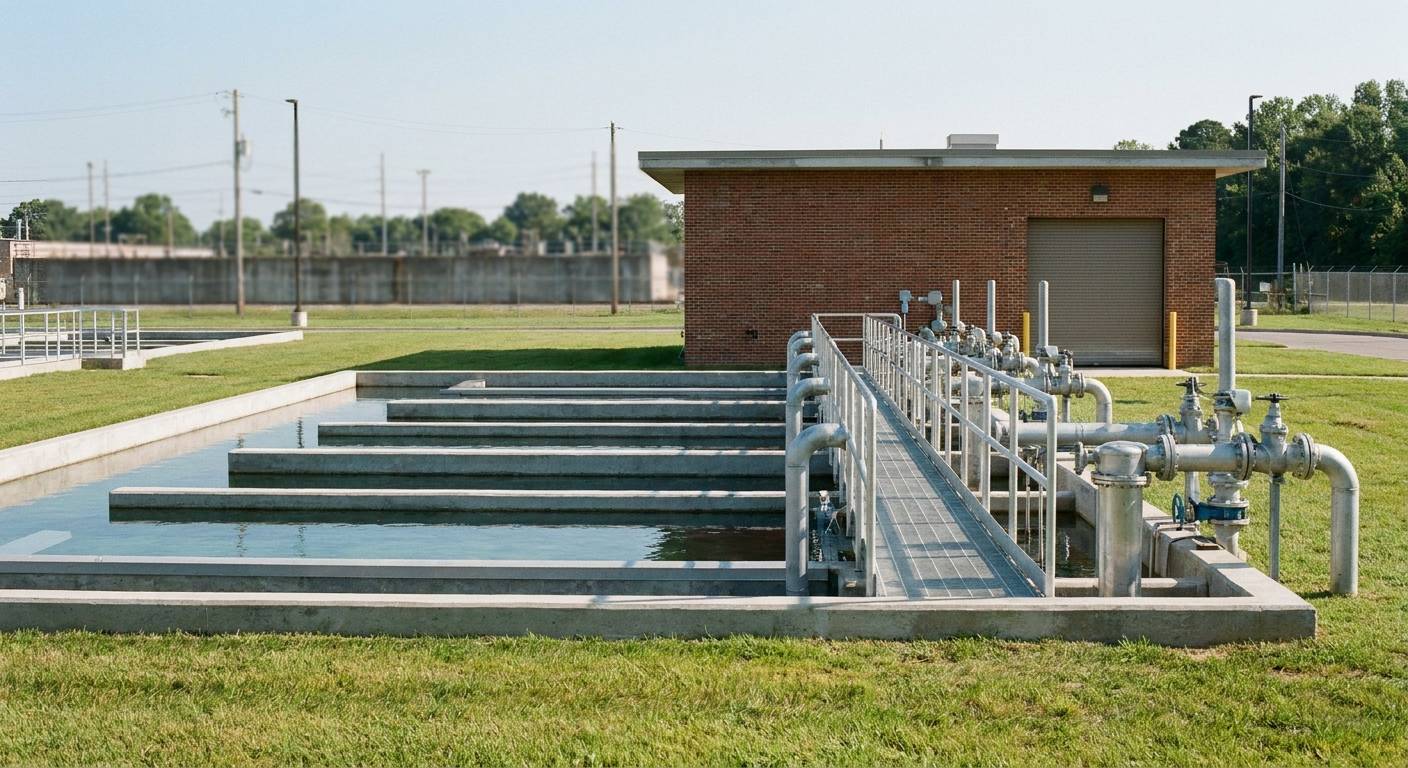
A municipal water treatment plant with concrete contact basins and a brick chemical building.

Municipal drinking water

Plants use chlorine dioxide mostly to oxidize iron and manganese and to improve taste, odor and color. It is less likely than free chlorine to form disinfection byproducts, and it inactivates some chlorine-resistant organisms.

  • Mostly used as a pre-oxidant
  • Chlorite and chlorate become the compliance questions
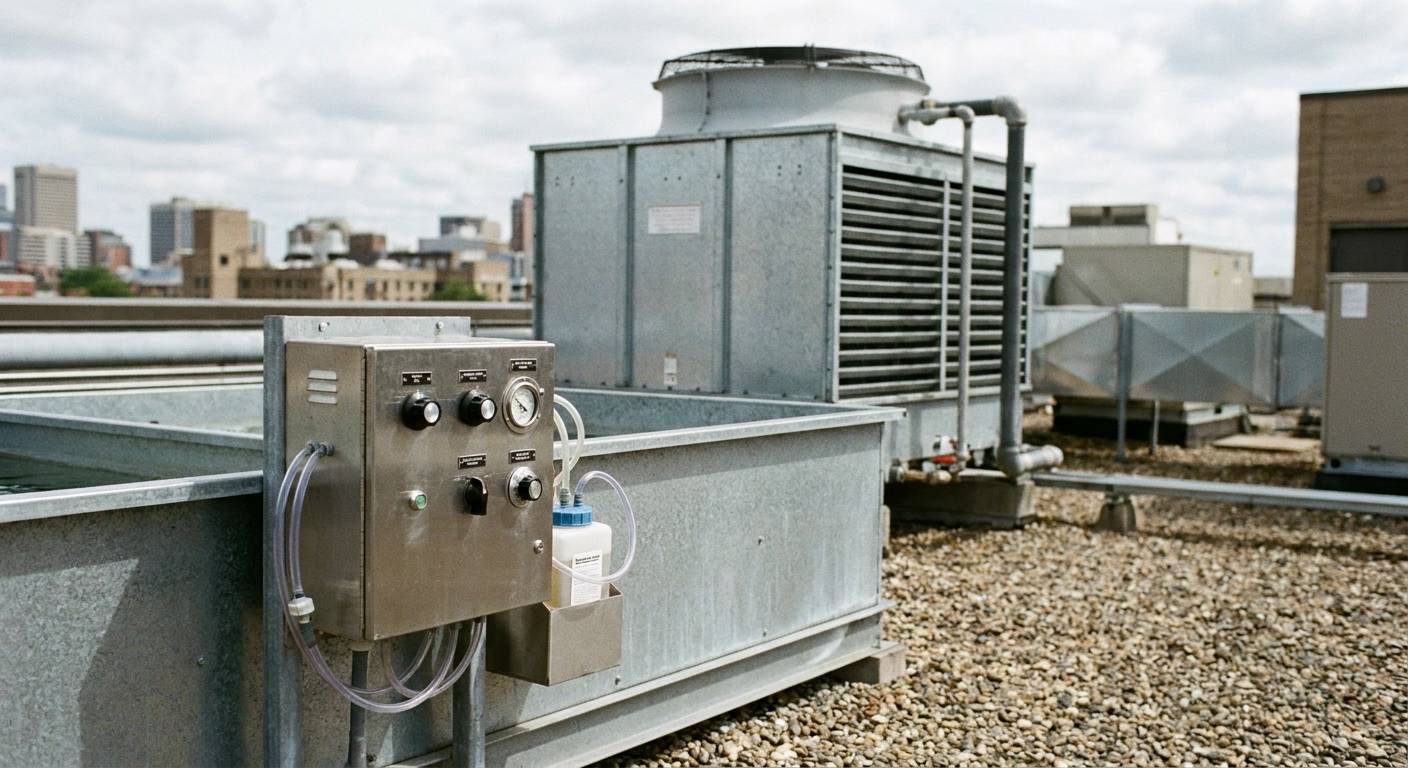
A rooftop cooling tower with a water treatment controller and chemical feed tubing at the basin.

Cooling towers and Legionella control

Chlorine dioxide is one of the oxidizing biocides used in cooling water systems, including where the aim is to control Legionella and biofilm.

  • Dosed to the basin or recirculation line
  • The dose, the controller and the sampling plan are set together
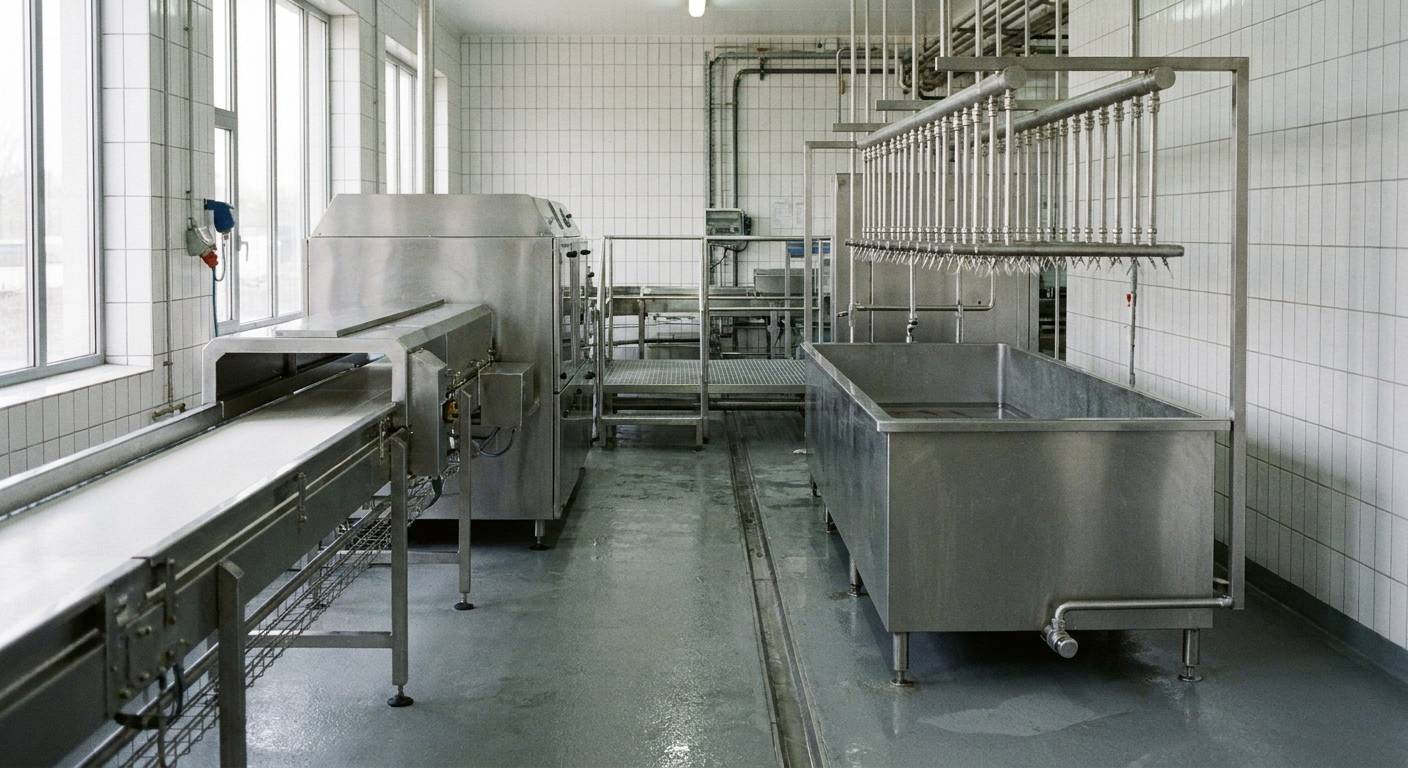
A stainless steel chiller tank and conveyor in a clean food processing plant.

Food, beverage and poultry

Aqueous chlorine dioxide has been approved by the FDA since 1998 for sanitizing fruit and vegetable surfaces, and processors also use it in wash and process water. Poultry and meat plants have used it in wash and chill water, with limits set by current USDA and FDA rules.

  • Check the current rules for your exact use
  • Post-harvest produce wash and storage trials use it too
Oil and gas
Bacteria and sulfide control in fresh, produced and fracturing water. Trade sources describe it as an oxidizer for sulfides and iron. Sulfide oxidation can leave colloidal sulfur, so field trials come first.
Pulp and paper
Bleaching wood pulp is the largest industrial use. It replaced elemental chlorine in many mills to reduce dioxin and furan formation.
Agriculture and post-harvest
Wash water for produce, and gas or solution treatment in storage. Trials in stored strawberries kept quality better over short storage.

What to compare when you specify a generator

Eight points to settle before you ask for prices. The first one, which chemicals your site can store and handle, usually narrows the choice more than any other.

A chemical injection fitting with clear feed tubing and a sample tap on a grey PVC water pipe.
An injection fitting and sample tap on a PVC line, where the generator's output meets the water.

Chemistry that fits your site

A plant with chlorine already on site will look at chlorine-chlorite. A plant with no gas will lean to acid-chlorite or three-chemical. Match the generator to the chemicals you can store and handle.

Capacity and turndown

Size to the peak dose and ask how low the generator can run without losing yield. Plants with varying flow need good turndown.

Yield and residual chlorine

The EPA's guidance manual puts a typical specification at yield above 95 percent with excess chlorine under 2 percent by weight. Ask for a supplier's figure and how it was measured.

Byproducts and compliance

In drinking water, chlorite is the main end product and chlorate follows. The dose has to leave you inside the limits, and chlorate is hard to remove after it forms.

Control and monitoring

Flow-paced or analyzer-controlled feed, residual analyzers, and alarms. Ask what the generator does when a chemical runs out or a pump fails.

Safety features

Leak detection, containment, interlocks, dry-run protection and clear shutdown behavior. Ask where the product is made, at what strength and under what pressure.

Materials and installation

Wetted parts, tubing and fittings suited to chlorite, acid and chlorine dioxide, and a skid that fits the room and the ventilation.

Service and supply

Spare parts, calibration, training and the chemical supply chain.

Limits and safe handling

Four numbers come up in almost every specification. The first two are the US EPA limits that govern drinking water. The third is the workplace limit for air. The fourth is why the gas is never stored.

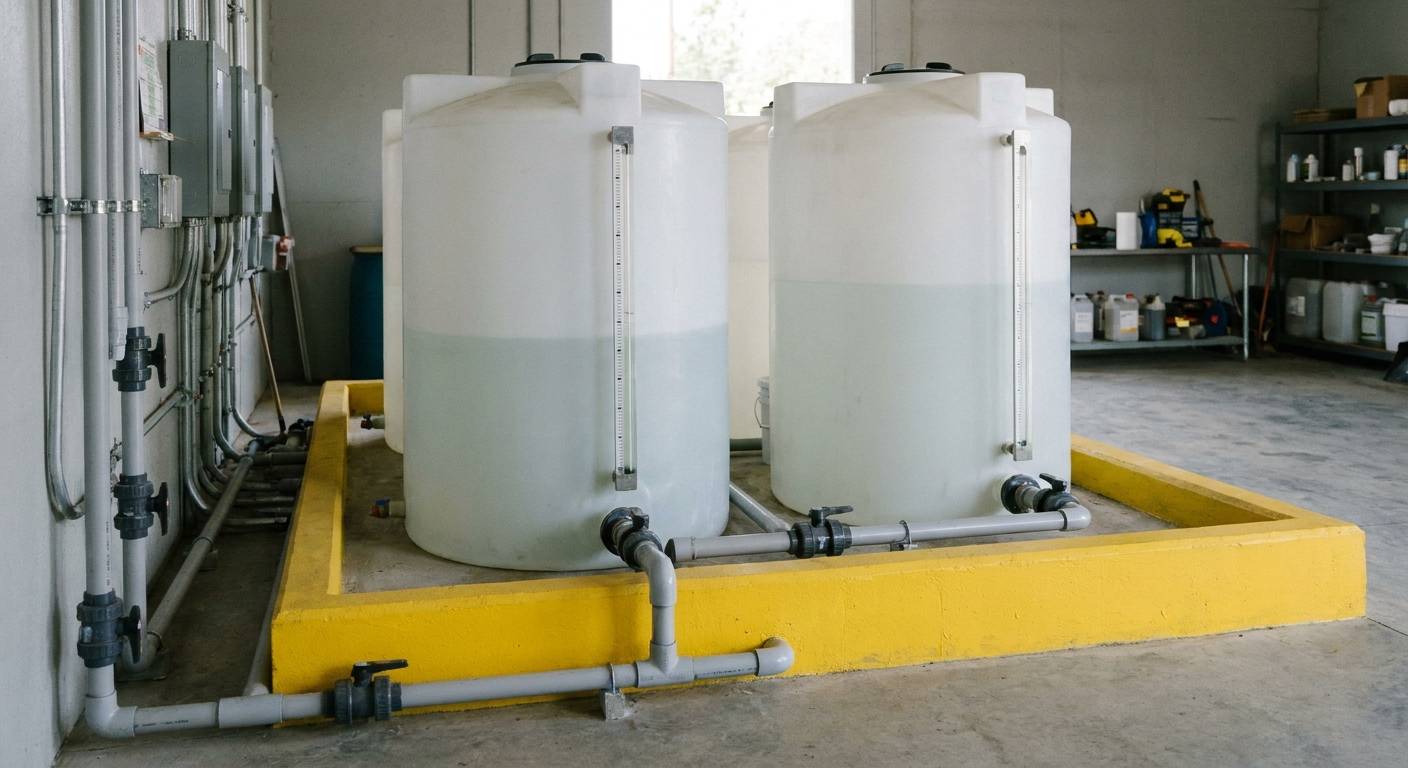
Two white polyethylene chemical day tanks with level gauges inside a yellow secondary containment bund.
Chemical day tanks inside a containment bund.
Limits for chlorine dioxide and chlorite
WhatLimitSet by
Chlorine dioxide in drinking water0.8 mg/LUS EPA maximum residual disinfectant level (MRDL)
Chlorite in drinking water1.0 mg/LUS EPA maximum contaminant level (MCL), average of a 3-sample set
Chlorine dioxide in workplace air0.1 ppmOSHA permissible exposure limit, 8-hour time-weighted average
Chlorine dioxide gas in airabove 10% by volumePotentially explosively unstable, per the chemical maker's safety bulletin
It is made where it is used
Chlorine dioxide is not shipped as a compressed gas. It is generated on site and used as a dilute solution in water.
Keep the chemicals apart
Sodium chlorite has to be isolated from acid and hypochlorite in storage. Never mix them outside the generator.
Watch the air
Gas detection and ventilation belong in the generator room. Ask the supplier what they specify.
Test every day
A water system using chlorine dioxide samples the entry point for chlorine dioxide and chlorite daily, and checks chlorite in the distribution system monthly.

Chlorine dioxide generator questions

Information only. This guide is general and educational. It is not engineering, safety, legal or professional advice and does not replace the manufacturer's instructions, your permits or applicable regulations. Verify before relying on it. Read the full disclaimer.

What is a chlorine dioxide generator?

It is a skid or cabinet that makes chlorine dioxide on site from precursor chemicals, then dilutes it and feeds it into a water or process stream. Chlorine dioxide is not shipped as a compressed gas, so it is made where it is used.

How does a chlorine dioxide generator work?

Metering pumps or eductors feed sodium chlorite and a second chemical into a reactor. Chlorine dioxide forms in the reactor and leaves as a dilute solution with the dilution water. Controls pace the feed to flow or to an analyzer reading.

What are the main types of chlorine dioxide generator?

Acid-chlorite, chlorine-chlorite, three-chemical (hypochlorite, acid and chlorite) and electrochemical. The first three differ in the chemicals you feed. The electrochemical type makes chlorine dioxide at an electrode cell.

Which type is right for a small plant without chlorine gas?

Acid-chlorite and three-chemical systems avoid chlorine gas cylinders. Electrochemical units remove the acid as well. The right one depends on which chemicals you can store, handle and get delivered.

What are the EPA limits for chlorine dioxide in drinking water?

The EPA sets a maximum residual disinfectant level of 0.8 mg/L for chlorine dioxide and a maximum contaminant level of 1.0 mg/L for chlorite. Systems that use chlorine dioxide sample the entry point for both every day.

Why is chlorite a concern?

In drinking water, chlorite is the main end product of chlorine dioxide. The EPA manual says roughly 50 to 70 percent of the chlorine dioxide used ends up as chlorite, with chlorate and chloride making up much of the rest. That is why the dose is capped.

Is chlorine dioxide dangerous to handle?

It can be if handled badly. The gas is potentially explosively unstable above 10 percent by volume in air, and OSHA sets a workplace limit of 0.1 ppm over an 8-hour shift. Generators are built to keep concentrations low and the chemicals separate.

Can chlorine dioxide control Legionella in cooling towers?

It is one of the oxidizing biocides used in cooling water systems. A water treatment professional should set the dose, the sampling plan and the response procedure for your tower.

What size generator do I need?

Start with the peak dose in mg/L, the flow it applies to, and how low the dose can run. Suppliers size the generator from those three numbers and from the chemistry you pick.

What should I ask a supplier?

Ask for the yield and residual chlorine figures and how they were measured, the control and alarm logic, the shutdown behavior on a chemical or power failure, the wetted materials, the chemical supply, and what service they provide.

Request pricing on chlorine dioxide generators

Tell us what water or process you treat, the dose and flow, and the chemicals your site can store. You will get a reply, usually within one business day.

  • Municipal, cooling tower and food plant systems
  • Acid-chlorite, chlorine-chlorite, three-chemical and electrochemical options
  • Skids, controls, analyzers and service

Where your inquiry asks for a quote or pricing, we may pass your details to suppliers able to fulfil it so they can contact you directly. Quotes come directly from those suppliers. See the privacy notice.